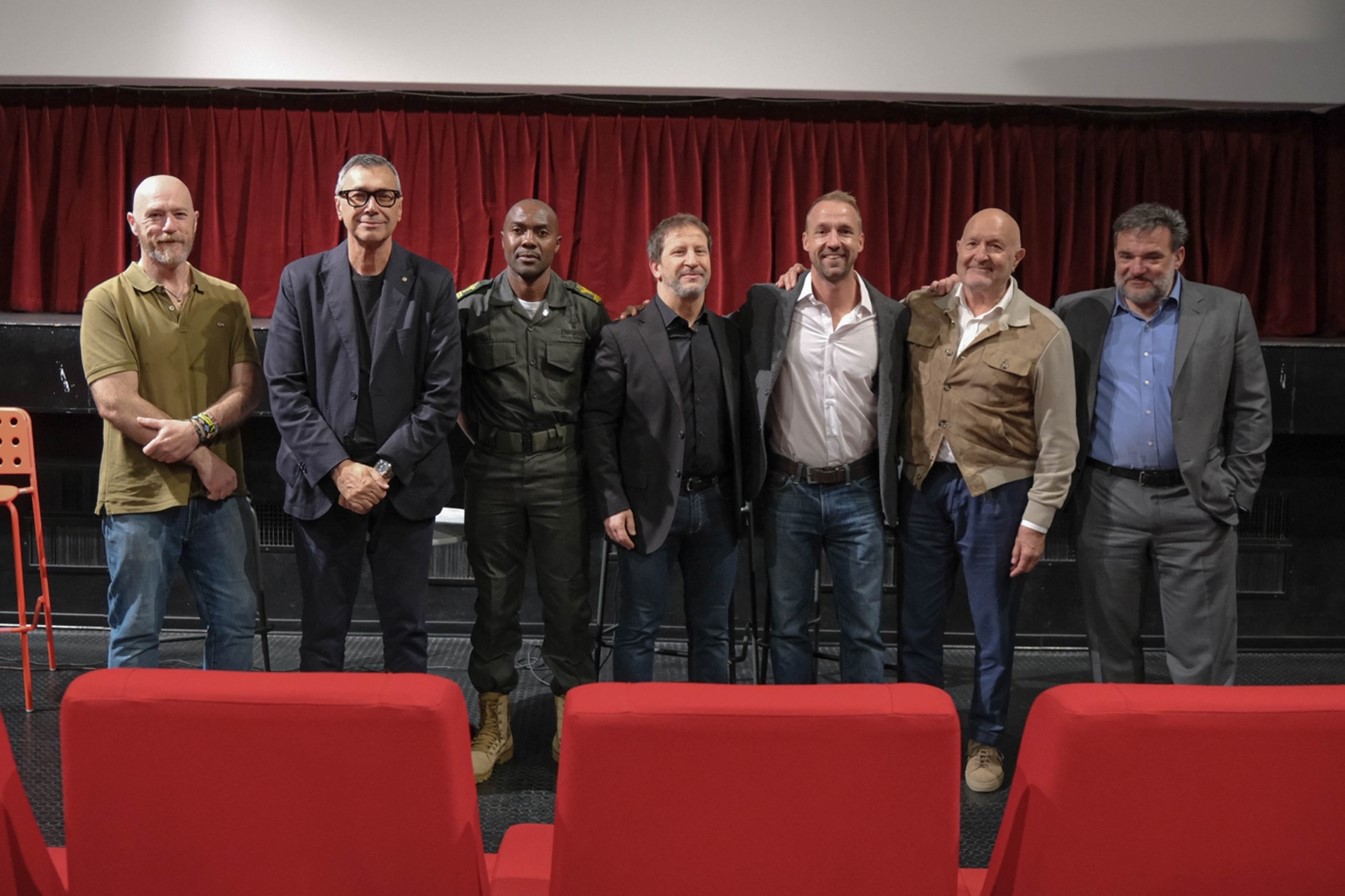
Matt Lindenberg and Orlat Ndlovu’s recent visit to Europe was more than a speaking tour. It was a powerful reminder that conservation succeeds when leadership on the ground meets education, public engagement, and practical models for community resilience.
As founder of Global Conservation Corps, Matt Lindenberg has long championed the idea that conservation must begin with people, especially young people. Through initiatives such as Future Rangers, his work helps shape a new generation of environmental custodians by connecting biodiversity protection with education, identity, opportunity, and purpose. Alongside him, Orlat Ndlovu, Head of Ranger Services at Timbavati Private Nature Reserve, brought the lived reality of frontline conservation: the discipline, risk, and commitment required to protect wildlife and confront poaching in one of Africa’s most important landscapes.
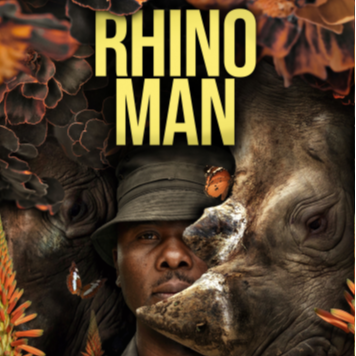
Their visit, which included public engagement in Neuchâtel and concluded in Parma, created space for these ideas to reach new audiences. In Parma, the journey ended with dialogue alongside the University of Parma and the screening of Rhino Man, a moving reflection on the courage and humanity behind ranger work. Across the visit, the message was clear: conservation cannot be separated from the social and economic realities surrounding it.
The momentum of this collaboration was especially visible in Parma, where UNIPR hosted three powerful moments of exchange: an open public conference at Aula Magna, a session at the University Campus attended by around 150 students, and a final theatre event at full capacity, culminating in dialogue and the screening of Rhino Man. These gatherings showed the growing public and academic interest in linking conservation leadership with education and action. Importantly, the collaboration between SAWC and UNIPR is continuing to advance through joint research and field-based projects, with Nzatu set to play an active partner role in helping translate these ideas into practical, scalable impact on the ground.
This is precisely where Nzatu’s model contributes. By helping communities diversify incomes through regenerative agriculture, beekeeping, and nature-positive value chains, Nzatu works to reduce the pressures that so often drive deforestation, habitat loss, and illicit wildlife killing. Our model supports the same mission that Matt and Orlat represent: protecting nature by strengthening livelihoods, dignity, and long-term opportunity for the people living closest to it.
The role of academia is equally important. Through cooperation with the Southern African Wildlife College and its academic partner, the University of Parma, these exchanges show how research, training, and field practice can reinforce one another. When universities, ranger leaders, social enterprises, and conservation institutions work together, they create a stronger movement grounded in both knowledge and action.
Nzatu believes this approach can grow far beyond one event or one geography. Together with partners such as the Southern African Wildlife College, Global Conservation Corps, Timbavati, and other wildlife partners including Elephants Alive, Peace Parks Foundation, Great Plains, and Lawrence Anthony Earth Organization, the same collaborative model can be replicated across other regions in Africa, linking conservation, community resilience, and shared prosperity.