


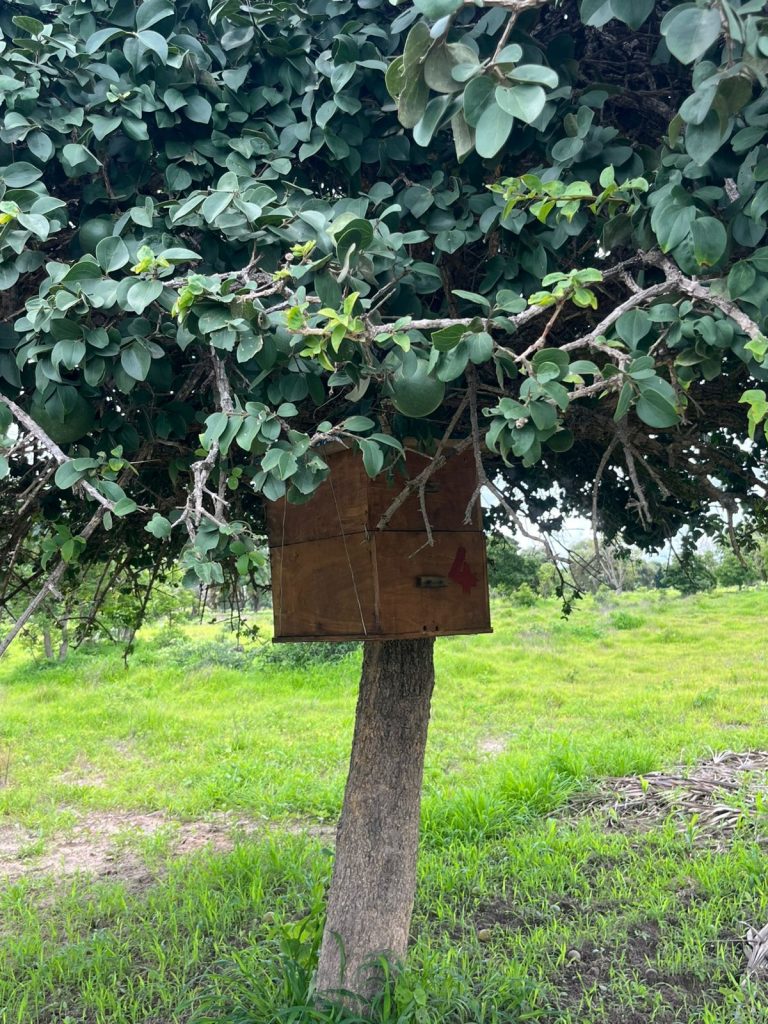
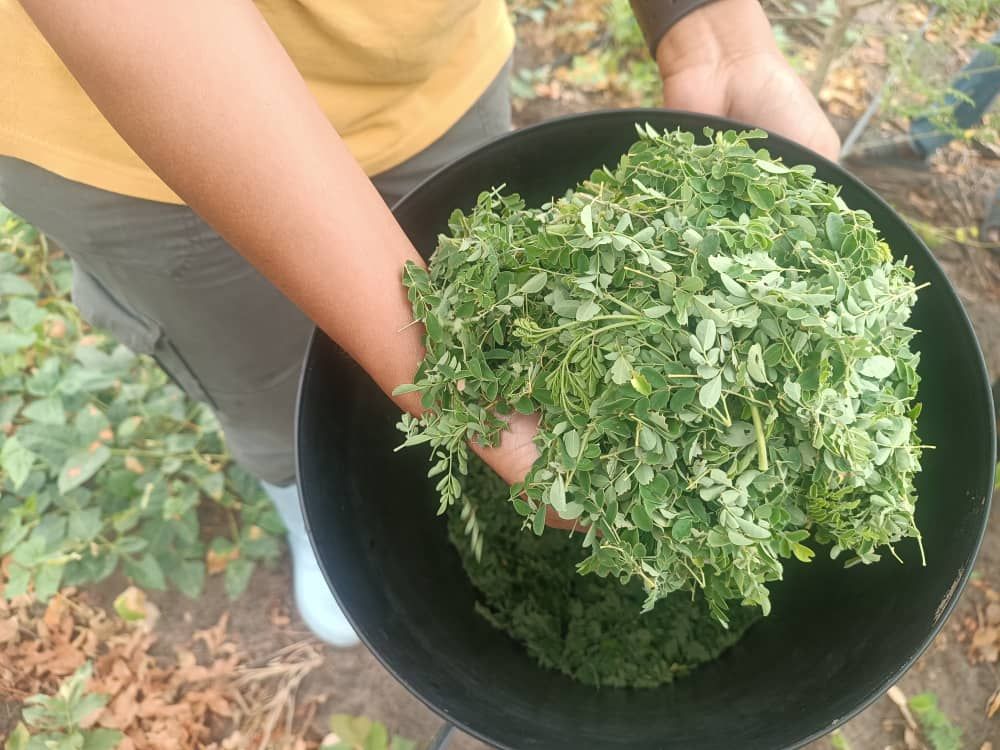
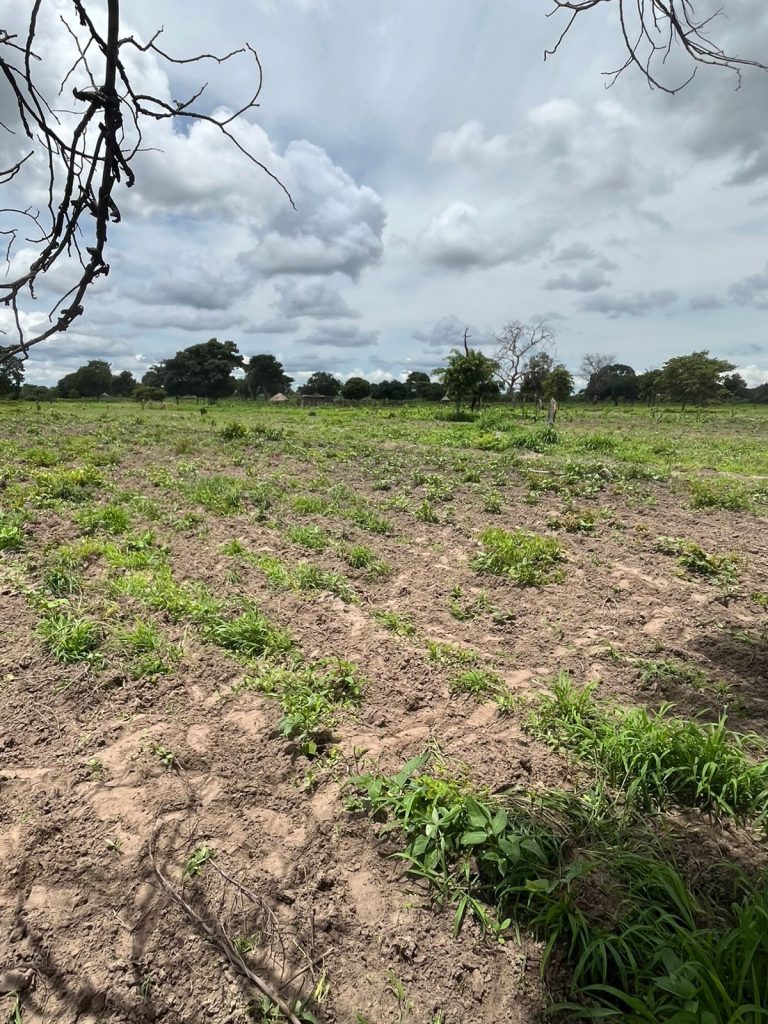
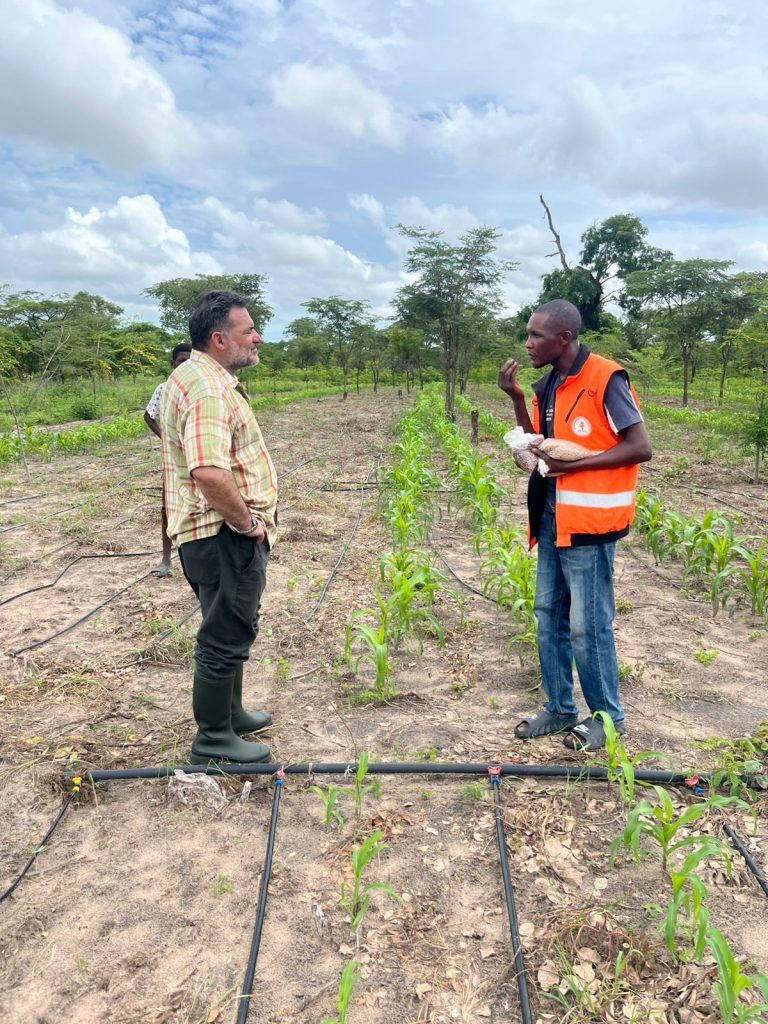
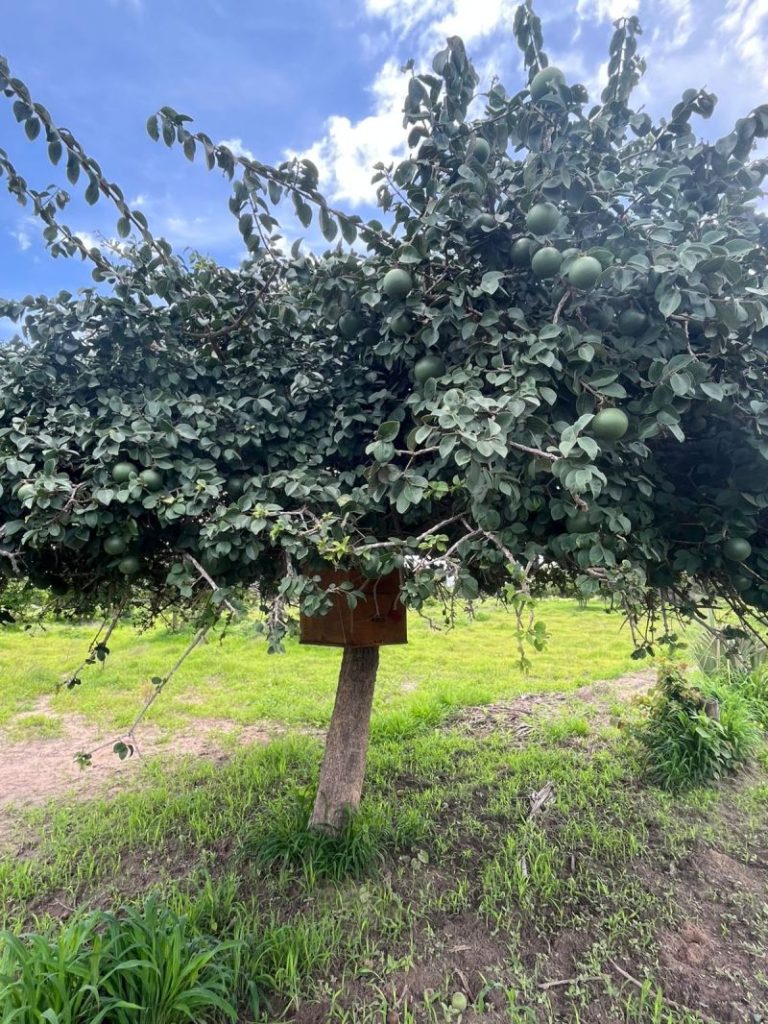
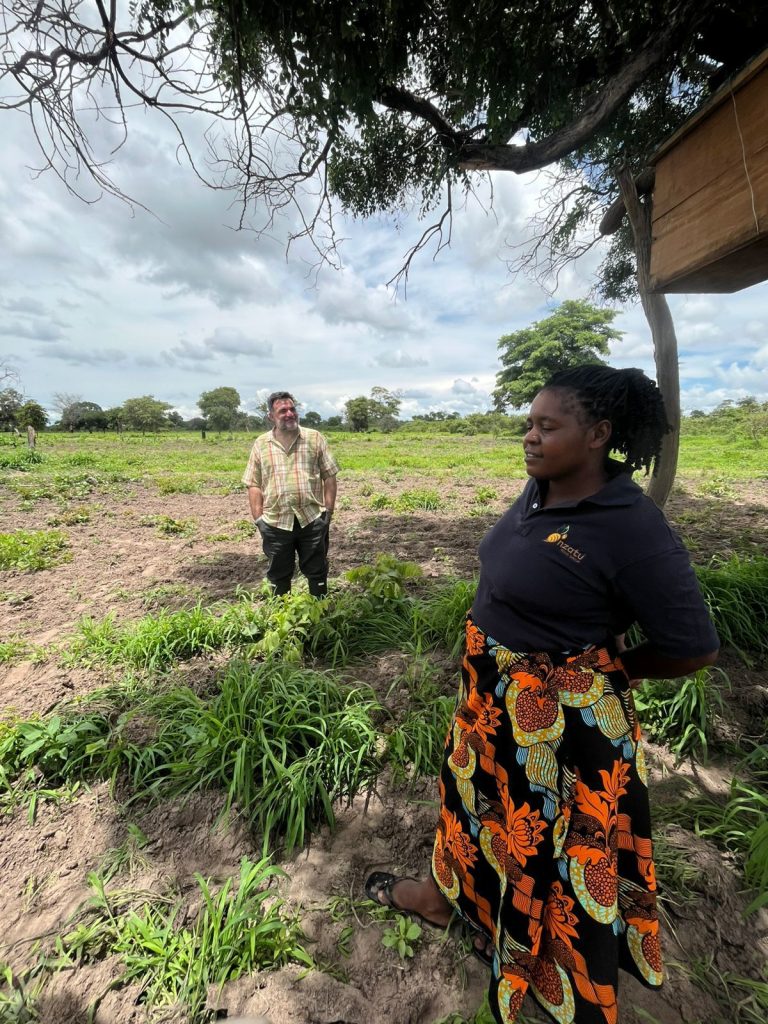
One year after launching our regenerative agriculture experiments under the TreesForPeople initiative in Zambia, Nzatu Food Group is witnessing tangible and encouraging progress on the ground.
What began as a vision is rapidly evolving into a living, dynamic system.
Nzatu Chairman Andrea Chiesi, COO Denise Jones-Madiro, and our farm manager Happy are already planning the next phase of development. A key step will be the introduction of pigeon peas as an intercrop to improve soil fertility, enhance nitrogen fixation, and strengthen overall farm resilience.
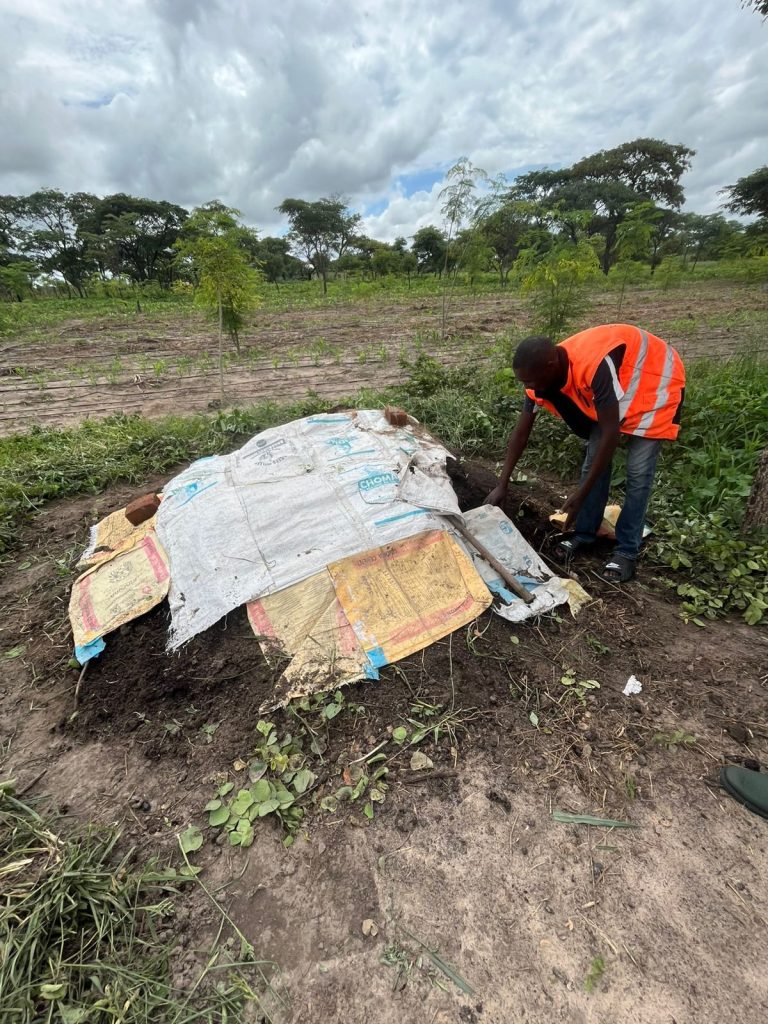
We are actively closing nutrient loops by composting kitchen waste, chicken manure, and cow dung — returning organic matter to the soil as natural fertilizer. This approach not only nourishes crops, but also rebuilds soil structure and microbial life, laying the foundation for long-term productivity.
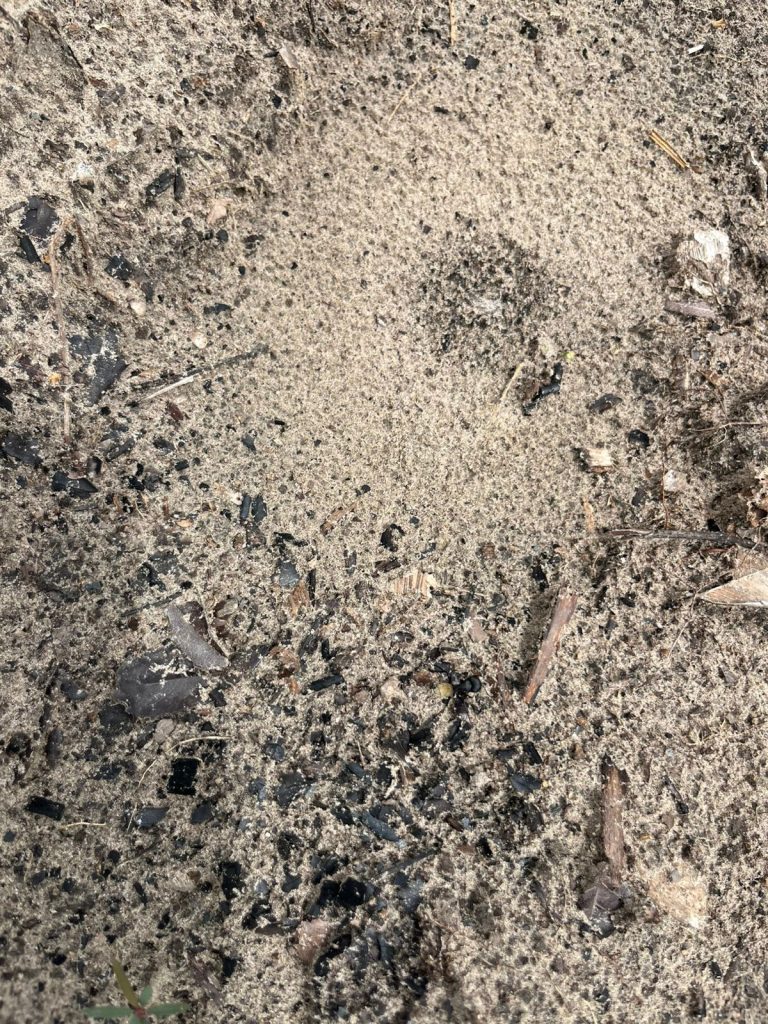
One particularly encouraging sign is the visible presence of healthy ant activity across the farm. Ants play a vital role in regenerative systems: they aerate the soil through tunneling, improve water infiltration, transport organic material, and contribute to nutrient cycling. Their presence is a strong indicator of living, functioning soil.
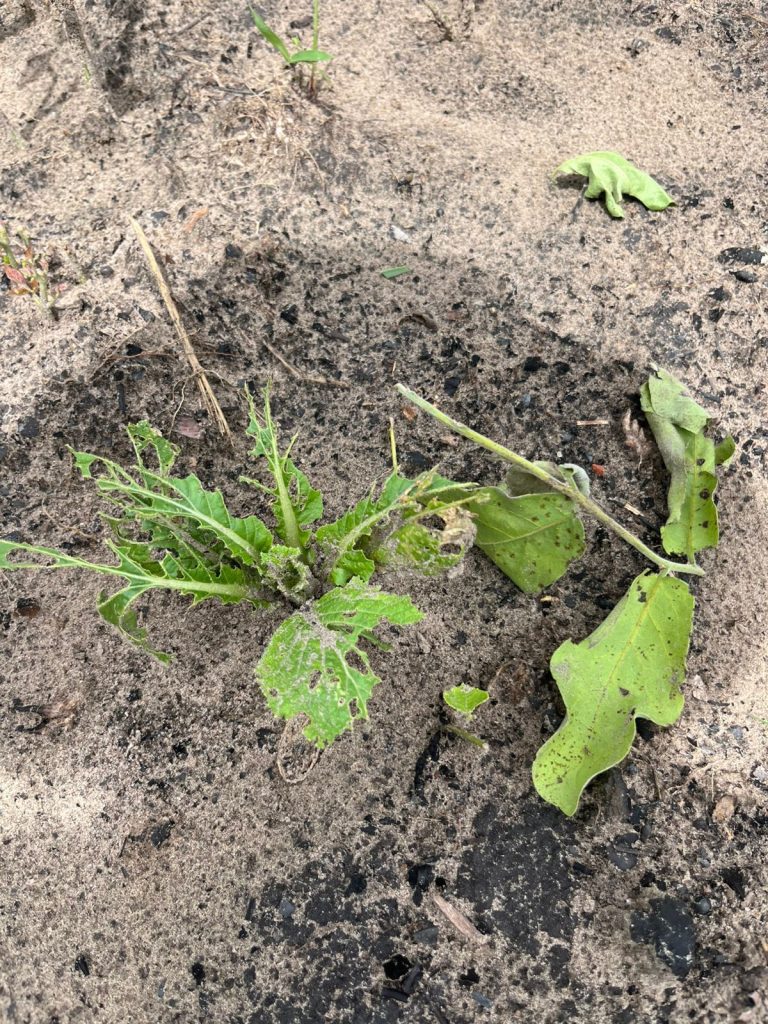
As in any agricultural system, pest pressure is part of the process. Rather than relying on chemical inputs, we are addressing these challenges through integrated pest management — working with ecological balance, promoting biodiversity, and strengthening natural resilience.
This is what regeneration looks like in practice: observation, experimentation, learning, and continuous improvement.
We are proud of the progress achieved in just one year — and even more confident about what lies ahead.