





At the Regeneration2030 Forum, one message stood out clearly: 2025 marks a turning point. The shift from theorising regenerative models to putting them into practice requires one essential element — measurement.
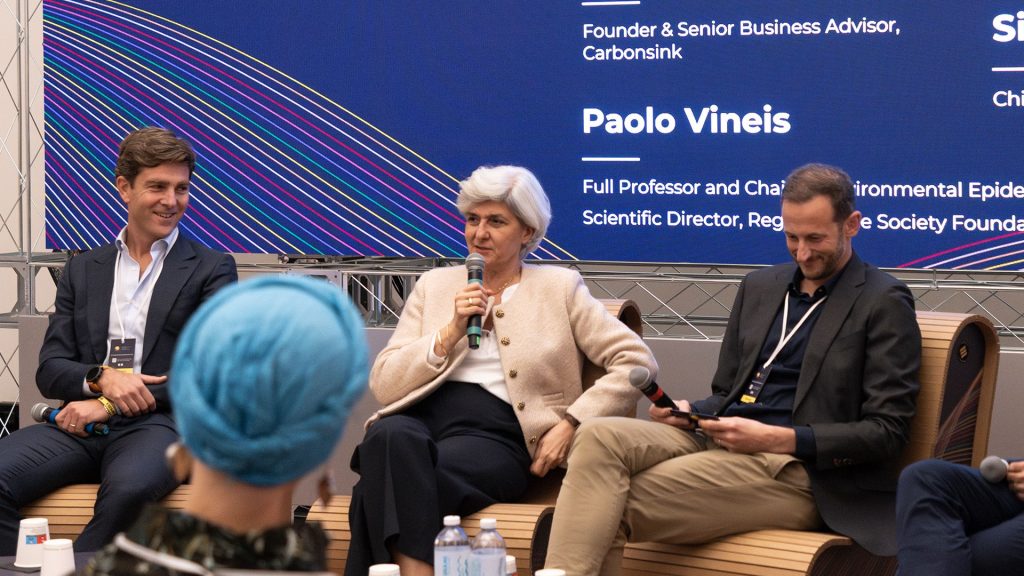
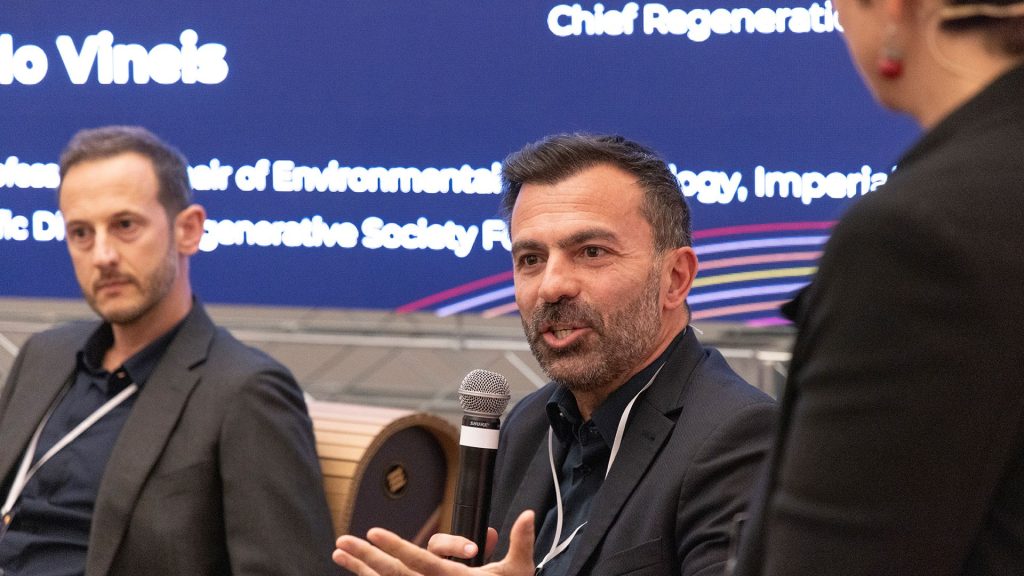
During the Forum, a dedicated panel explored the measurement framework developed by RSF in collaboration with NATIVA and Fondazione per lo Sviluppo Sostenibile. The discussion touched on planetary boundaries, complexity theory and systems dynamics, exposomics, and the climate–biodiversity–health nexus, highlighting the importance of measurable co-benefits.
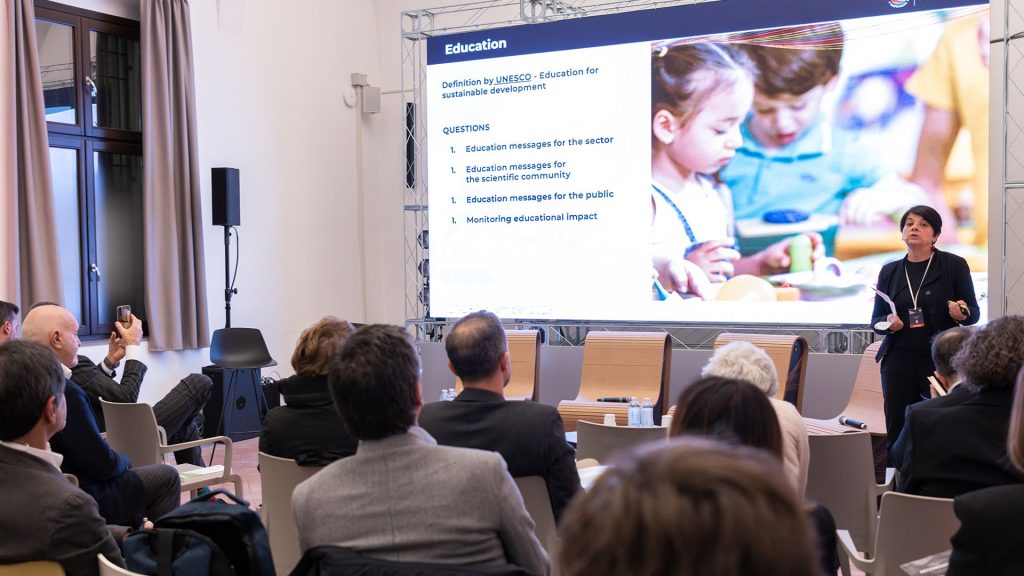
A central focus was the Regeneration Profile, presented by Silvia Zanazzi, Chief Regeneration Scientist at NATIVA. This tool assesses the regenerative potential of business projects both ex post and as an ex ante design instrument, across five dimensions: Circularity, Natural Capital, Climate, Education, and Wellbeing.
The discussion reinforced several key priorities:
- Working across value chains, where the majority of emissions often occur, and using measurement as a strategic lever for effective resource allocation.
- Expanding circularity to include citizen science and community wellbeing, enabling measurable territorial regeneration.
- Building robust external verification mechanisms to ensure biodiversity gains are credible and to prevent greenwashing.
- Investing in education as a catalyst to accelerate regenerative transformation and improve quality of life.
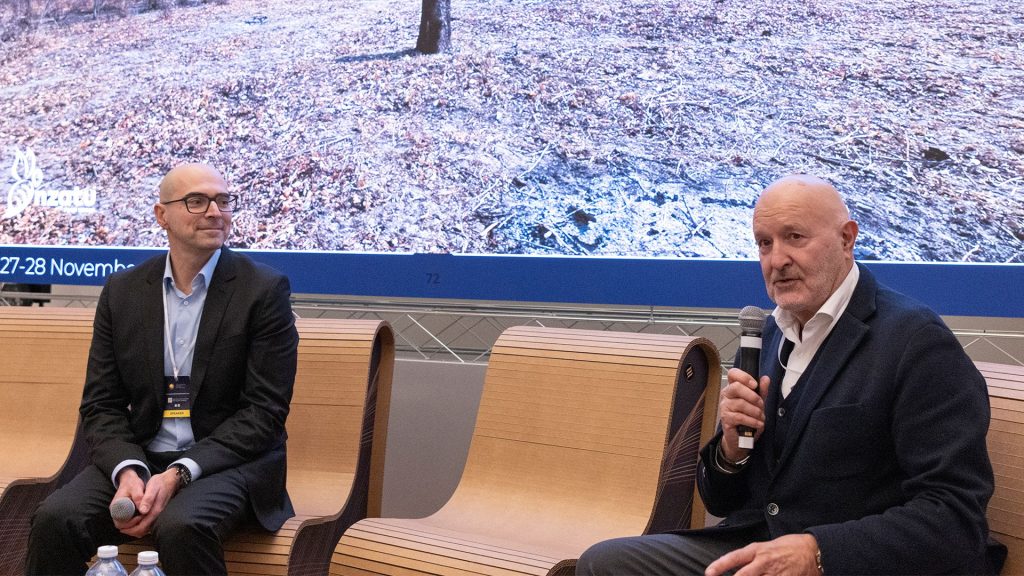
On behalf of Nzatu Food Group, CEO Michele Sofisti presented our regeneration, conservation, and community activation project in Zambia — a concrete example of how the RSF Framework can be applied in practice and scaled across 15 African countries.
For Nzatu, regeneration is not theoretical. It is measurable, accountable, and designed to deliver tangible impact.
We will continue to share further insights into the Framework and its real-world applications in upcoming posts.